
Garden Tasting Mistakes to Avoid: Temperature, Glassware, and Shade
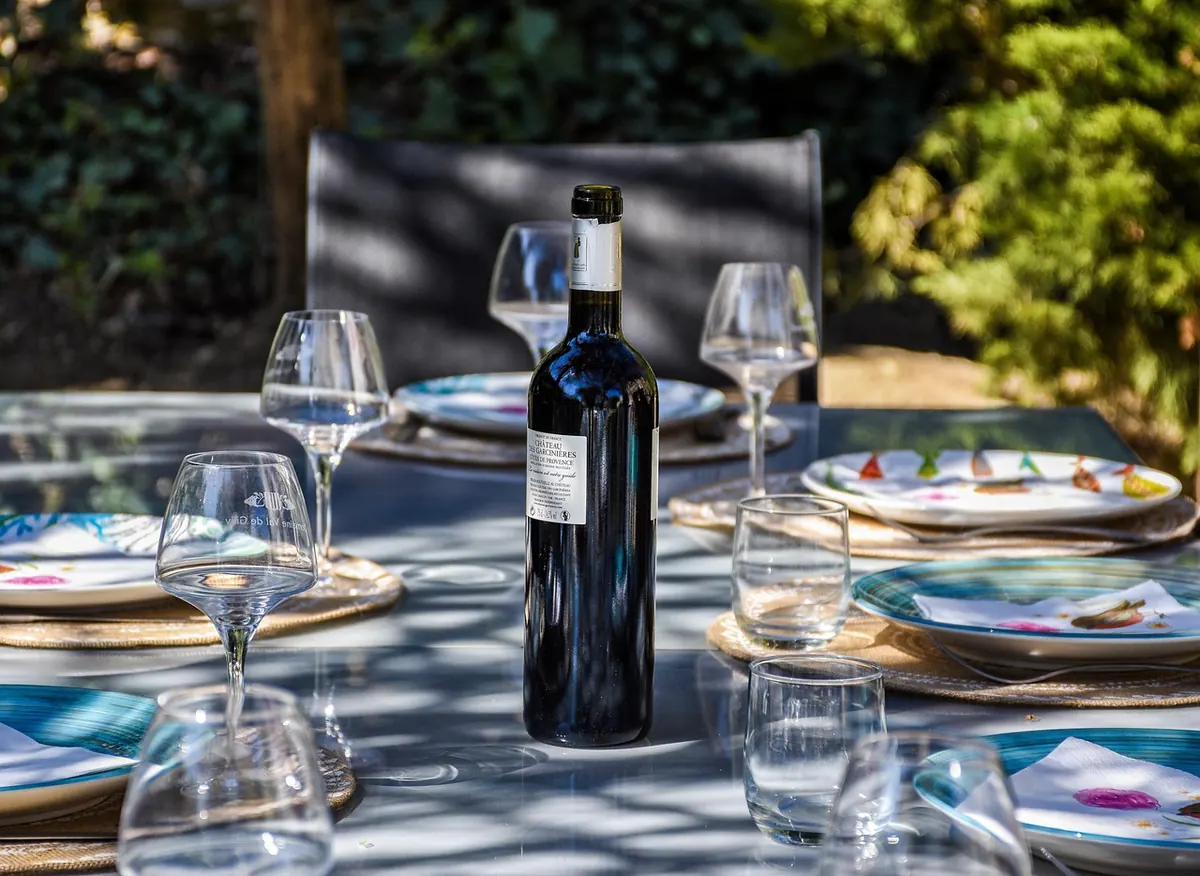
There is a specific disappointment that comes from carrying a good bottle into a lovely garden and watching it fall flat. The setting was right, the company was right, and yet the wine tasted tired, the glasses felt wrong, and by the second hour everyone was squinting into the sun. None of that is bad luck. Garden tastings go wrong for a handful of predictable reasons, and almost all of them can be fixed with a little planning before the first cork is pulled.
Temperature: the mistake almost every garden tasting makes
Indoors, a bottle of wine sits in a room that stays roughly the same temperature all evening. Outdoors, it is in a moving target. A glass on a sunny table can gain several degrees in a quarter of an hour, and a bottle standing beside it warms faster still. The result is that the wine you carefully chose at the cellar door arrives in the glass tasting loose, alcoholic or simply dull.
White wine straight from the fridge
The opposite error is just as common. Serving a white or a rosé ice-cold feels refreshing in the moment, but it also shuts down aroma. If you cannot smell the wine, you cannot taste much of it either. Take whites out of the fridge fifteen or twenty minutes before pouring, and let them come up slowly in the glass. If the day is hot, that interval shrinks on its own.
Red wine at "room temperature" — whose room?
That old guidance was written for cool stone dining rooms, not a terrace in July. A full-bodied red at twenty-six degrees tastes flabby and hot, and the alcohol dominates everything else. Lighter reds and most rosés actually benefit from a light chill. As a rough guide: sparkling wines around 6–8 °C, whites and rosés 8–12 °C, light reds 13–16 °C, and fuller reds 16–18 °C.
A few habits make temperature far easier to manage:
- Fill an ice bucket with half water and half ice; bottles chill much faster in water than in air.
- Keep the bucket, the cool box and every spare bottle in deep shade, never beside the table in the sun.
- Wrap a bottle in a damp cloth for a low-tech cooler that works surprisingly well in dry heat.
- Pour smaller measures. Wine in a glass warms quickly, and a small pour stays at the right temperature longer.
- Keep a simple thermometer in the cool box if you are serving several wines; guessing gets unreliable by the third bottle.
Glassware: the quiet sabotage
You do not need a cabinet full of different shapes. You do need glasses that let the wine breathe and that do not add their own flavours. Most garden tasting problems come from a few repeated choices.
The one-glass approach
A single small tumbler for four different wines means every pour carries traces of the last one, and the shape gives the wine nowhere to go. A plain tulip-shaped glass — narrower at the rim than at the bowl — flatters almost everything from a fresh white to a structured red. Fill it no more than a third full. A full glass cannot be swirled, and without swirling you lose most of the aroma.
Detergent, dust and fingerprints
Glasses washed in scented detergent and left to dry on a rack carry a film that flattens aroma. Rinse them in hot water without soap, dry them with a clean linen cloth, and store them upside down somewhere dust-free until the last minute. Glasses pulled from an outdoor cupboard will smell of the cupboard. Chilling glasses in the freezer is another small trap: heavy condensation dilutes the first sip and makes the glass slippery on a warm day.
Shade, sun and the shape of the table
This is the mistake that is hardest to correct once guests have arrived, because by then everyone is committed. Choosing the prettiest spot at two in the afternoon rather than the shadiest spot at six is a recipe for warm wine, sunburnt guests and a table nobody wants to sit at.
Walk the garden at the hour you plan to taste, not when you plan to set up. A wall, a pergola or a large tree casts a shadow that moves, and you want to know where it will be an hour into the tasting. Late afternoon usually beats midday: the light is kinder, the air is cooler, and the wine has a better chance of staying where you want it.
Think about surfaces too. Dark stone and metal absorb heat and release it back at the table; pale wood and linen stay cooler. Keep bottles off the ground in a shaded cool box rather than under a chair in the sun, and check that any umbrella is high enough that nobody has to duck. If there is wind, weighted napkins and a low, wide table will save you a great deal of chasing. And if the evening runs long, plan for insects: citronella or a fan placed away from the table works better than a scented candle next to the glasses.
The setup errors nobody notices until halfway through
Halfway through a tasting, small omissions become large annoyances. Water is the first: a jug and plenty of glasses, because sipping water between wines keeps the palate fresher and the pace gentler. A spittoon — an opaque jug or a simple bucket — is not fussy; it lets guests taste more without drinking more, and it is one of the most appreciated things on the table.
Then the practical kit: two corkscrews rather than one, a cloth for drips, napkins, a bowl for discarded corks, and somewhere to put empty bottles that is not the table. Seating matters more than people expect — a tasting that lasts two hours standing on uneven grass tires everyone out. And keep the food simple and unfussy. Very sweet, very spicy or heavily dressed dishes will flatten most wines; bread, cured meat, cheese and something plain and salty will not.
Pacing: too many bottles, too little time
Enthusiasm often leads to eight open bottles on a table, which means the last three are tasted by a palate that has stopped registering detail. Four to six wines is a generous, workable number for an afternoon. Pour modest measures of roughly 40–50 ml, move from light to full and from dry to sweet, and build in a pause with water and food before the final flight. Bottles you decide not to open will keep. Palates do not recover quite so easily.
Before the first pour: a short checklist
- Check the forecast, then check the shade at the hour you actually plan to taste.
- Chill whites and light reds in advance; keep every spare bottle in the shade.
- Set out one tulip glass per wine where possible, plus water glasses.
- Rinse glasses in hot water only, and polish them at the last minute.
- Fill a water jug, set out a spittoon, and put two corkscrews on the table.
- Limit the line-up to four to six wines and pour small measures.
- Keep food plain, and keep a damp cloth and a cool box within reach.
None of this requires a bigger garden, a larger budget or a sommelier's certificate. It requires deciding where the shade will fall, putting the ice bucket somewhere out of the sun, and choosing four glasses you trust instead of twelve you don't. Do those things and the wine gets its best chance — which, on a warm evening under a tree, is usually all it needs.
Photo: Lens_and_Light / Pixabay