

Spring vs. Autumn Garden Tastings: A Seasonal Pouring Guide
A garden tasting in late April and one in mid-October can share the same table, the same glasses and the same six guests, and still feel like two completely different events. Spring asks for brightness, short pours and a little movement. Autumn invites longer sittings, deeper glasses and something warm under the plate. The wines shift, the food shifts, and so does the way you arrange the garden itself. What follows is how we plan both seasons, from the first bottle opened to the last slice of cake.
Begin With the Garden, Not the Wine List
Before choosing a single bottle, walk the space at the hour your tasting will actually happen. In spring, that means noticing where the sun sits at six in the evening and how quickly the air cools once it drops. In autumn, it means watching the shadows lengthen across the lawn by half past five and finding the corner that stays warm longest.
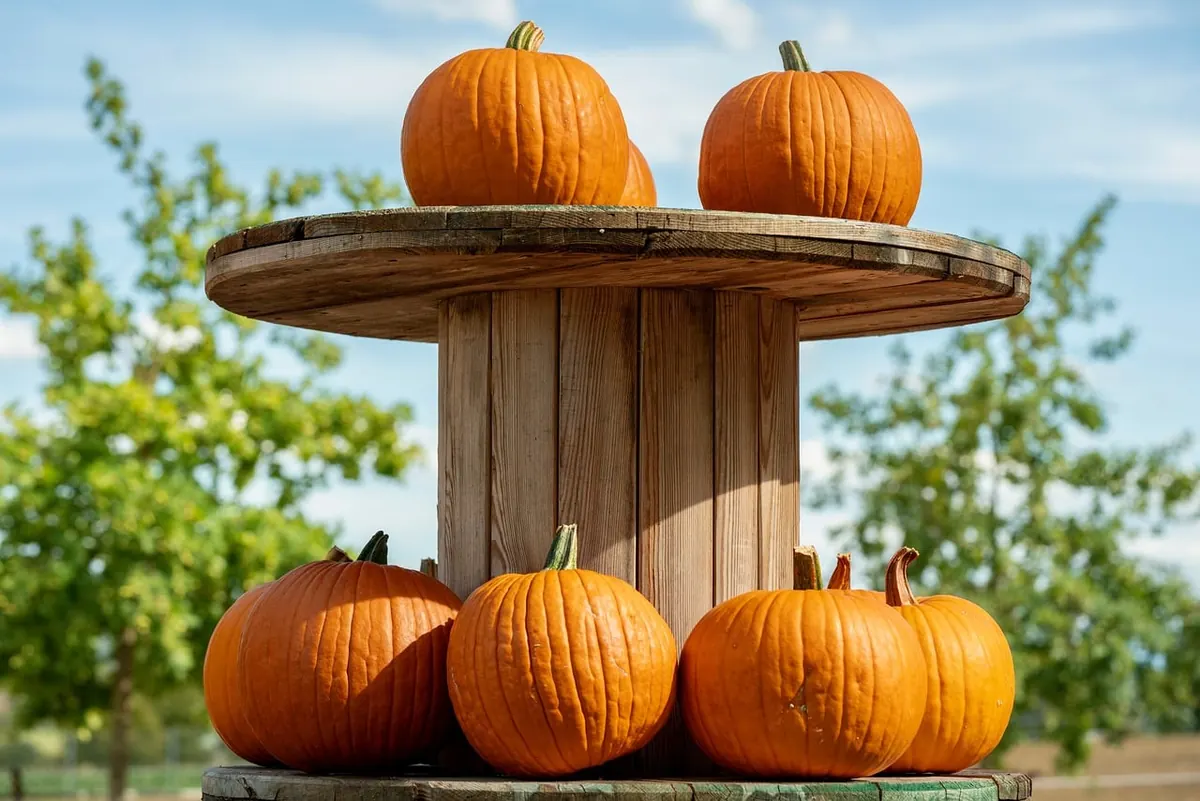
The garden tells you what kind of tasting you can host. Spring gardens are full of tender green: new herbs, lettuce, radish tops, the first peas. Guests arrive having spent months indoors, and they tend to stand, wander, and eat with their fingers. Autumn gardens are about roots, squash, fallen leaves and long conversation. People sit down properly. They stay.
That single difference — standing and grazing versus sitting and lingering — shapes everything else, including how many wines you open and how generous each pour should be.
Choosing the Wines: Freshness in Spring, Depth in Autumn
The rule of thumb is simple: match the season's energy. Spring rewards wines with acidity and lift. Autumn rewards wines with texture and structure. Alcohol levels matter more than most hosts expect — a 14.5% red that feels comforting in October can feel heavy and tiring on a warm May afternoon.
Spring pours
Start with something sparkling and dry, poured outdoors where the bottle stays cold. Follow with whites that have snap: Vermentino, young Chardonnay, dry Riesling, Grüner Veltliner, Sauvignon Blanc from a cool site. A herbaceous white like Grüner Veltliner has a better chance with spring vegetables, asparagus included, than a rich, oaky Chardonnay.
For reds, keep them light and serve them cool — fifteen minutes in the fridge is often enough. Gamay, Pinot Noir, Frappato, Schiava and youthful Grenache all work. A dry rosé can carry an entire spring tasting on its own if the food is right.
Autumn pours
Move toward texture. Whites with a bit of age or skin contact — Chenin Blanc, white Rhône blends, amber wines, an older Chardonnay — handle roasted and earthy food far better than crisp spring styles. For reds, choose structure: Nebbiolo, Sangiovese, Syrah, Blaufränkisch, Cabernet-based blends. Tannin and acidity cut through fat, which is exactly what a table of cured meats, aged cheese and braised dishes needs.
Autumn also gives you permission to finish sweet. A small glass of Vin Santo, Passito or a tawny-style wine alongside a nut tart closes a cool-weather tasting better than one more red.
Food That Follows the Garden
Build the menu from what is actually good that week, then adjust the wine. The pairing logic stays the same in both seasons: acid with acid, fat with acid or tannin, sweetness with heat, and salt with bubbles.
- Spring: pea and ricotta crostini; radishes with good butter and flaky salt; goat cheese with herbs; fava beans and pecorino; young lettuce with a sharp vinaigrette; strawberries with a splash of something sparkling.
- Autumn: roasted squash with sage; mushrooms sautéed in butter; aged cheese and cured meat; chestnuts; lentils with sausage; apple or pear tart; dark chocolate with a fortified wine.
- Both seasons: plenty of bread, a bowl of olives, and a jug of water on every table. Water is not a courtesy; it is part of running a tasting well.
- Keep it small: five or six bites per flight is enough. Too much food flattens the palate and the conversation.
Setting the Scene: Shade, Wind, Light and Warmth
Spring and autumn fail in opposite ways. Spring tastings go wrong when guests are cold, windblown or eaten alive. Autumn tastings go wrong when the light disappears before the cheese does.
Spring setup
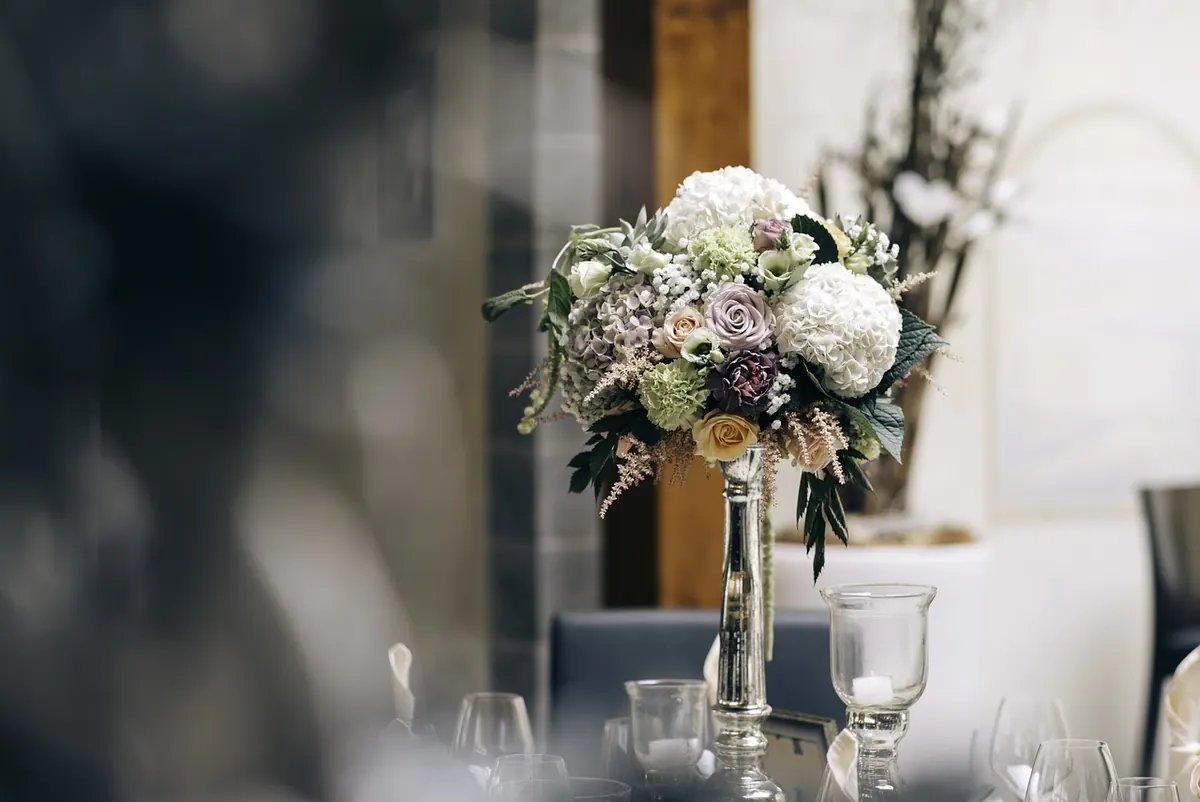
Choose the shadiest stable spot you have and start earlier than feels natural — four in the afternoon is often better than six. Weight the tablecloth, use heavier glassware than the weather suggests, and keep napkins from flying with a small stone or a clip. Have a light throw per chair. If insects are a real issue at dusk, plan to move indoors before they arrive rather than fighting them outside. Flowers should be simple and low so people can see across the table.
Autumn setup
Chase the last warm wall or the sheltered corner. Start mid-afternoon so the first flight happens in daylight and the last one under lanterns. Blankets in a basket, a fire bowl or a heat lamp, and warm plates make a bigger difference than any decoration. Use darker linens, heavier glasses and deeper colours. Candles should be in glass, not open, because outdoor air moves more than you think.
Both seasons need a plan B. Deciding in advance that you will move to the kitchen at the first rain — and telling guests where to carry their glasses — removes all the drama from a change of plan.
Serving Temperatures, Glassware and Pouring Order
Outdoor temperatures push wines around. A white that leaves the fridge at 6°C will be at 12°C within twenty minutes on a spring table, so keep bottles in a cooler with ice and water rather than open on the table. Reds served outdoors taste warmer than they are, which is why light reds benefit from a short chill both seasons.
Serve in this order and the tasting will make sense to everyone, whether or not they know the wines:
- Sparkling or a very light white to open.
- Fresher, lighter whites.
- Textured or older whites, or an amber wine.
- Light reds, served cool.
- Fuller reds, poured in smaller measures.
- A sweet or fortified wine to finish, with something small to eat.
Use one glass per guest per flight if you can, and put a spittoon or an empty jug on the table. Nobody should feel obliged to empty every pour, and a tasting that runs four hours needs water, bread and the option to slow down.
A Short Checklist Before the First Pour
Run through this an hour before guests arrive, in either season.
- Bottles opened, tasted and — for reds — checked for temperature.
- Water jugs full, bread cut, glasses counted with two spares.
- A cooler with ice for whites, and a shaded place for the reds.
- Throws or blankets, and a clear decision about the indoor fallback.
- Lighting tested at the hour it will actually be needed.
- A non-alcoholic pour ready, so nobody has to explain why they are skipping a glass.
Do those six things and the season takes care of the rest. Spring will feel like a garden waking up; autumn will feel like one settling in. Same table, different wines, both worth repeating.
Photo: suju-foto / Pixabay